Meet UW–Madison’s Nobel Prize winners
Francis Halzen, winner of the 2026 Nobel Prize in physics, joins a community of Badgers who’ve changed the world.

As a leading research institution, we encourage creative and analytical inquiry. UW–Madison provides students opportunities to work alongside world-renowned scholars in pursuit of groundbreaking research with the potential to change lives.
UW–Madison is distinct for its breadth of disciplines and cross-campus research collaborations. Hands-on research opportunities abound for undergraduate students and span the social sciences, medicine, humanities, and STEM fields.


It’s been really monumental for me to realize there are people who are really excited to help me get to where I want to go.
Research at the University of Wisconsin–Madison drives innovation, saves lives, creates jobs, supports small businesses, and fuels the industries that keep America competitive and secure. It drives invention, innovation, and job creation, and it helps prepare the next generation of scientists, engineers, creators, and business leaders. It makes the U.S.—and Wisconsin—stronger. Federal funding for research is a high-return investment that’s worth fighting for.

Francis Halzen, winner of the 2026 Nobel Prize in physics, joins a community of Badgers who’ve changed the world.
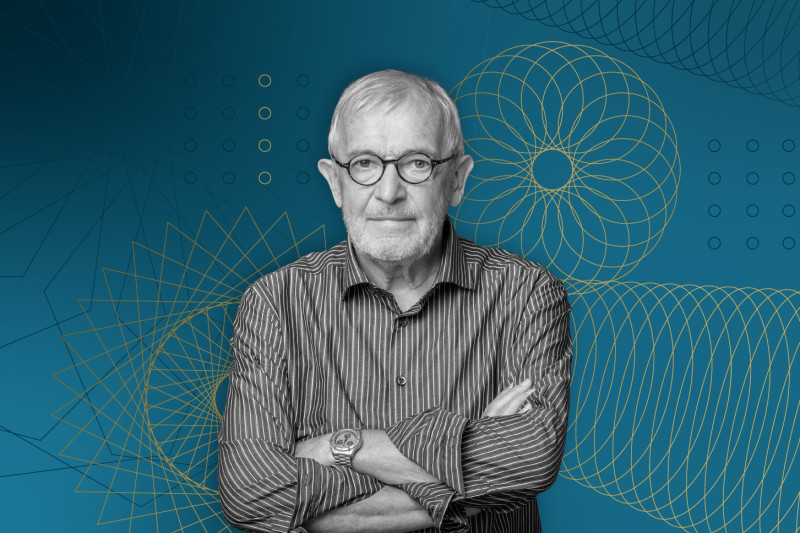
Halzen is the principal investigator of the NSF IceCube Neutrino Observatory, the world’s largest telescope.

Bioblitz participants explore the Lakeshore Nature Preserve in search of the species that make the urban oasis thrive.
Our entrepreneurial campus is its own Silicon Valley. We help our scientists and scholars navigate every step of the commercial path from discovery to market, and bring their life-changing innovations to the masses. Whether it’s applying for a patent, attracting investors, or creating a spinoff company, our business engagement professionals guide the way.